

Blog Post
Connected Devices and IoT
Medical Device BSP Upgrade: Consolidating Embedded Linux Infrastructure
The reliability of user-facing medical software is entirely dependent on its underlying operating system. Explore how upgrading an end-of-support Board Support Package (BSP) to an LTS Embedded Linux kernel consolidates fragmented repositories, optimizes hardware communication via Netlink, and ensures strict regulatory compliance without disrupting clinical workflows.
Blog Post
Healthcare
Medical Device UI Modernization Without Impacting Clinical User Experience
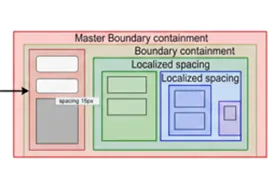
Running a commercialized medical device on an End-of-Support (EoS) UI framework introduces severe regulatory risks. This technical breakdown explores how to execute medical device UI modernization—migrating legacy Qt/QML codebases to a modernized Qt LTS standard to ensure IEC 62304 compliance and layout predictability without impacting the clinical user experience.
The reliability of user-facing medical software is entirely dependent on its underlying operating system. Explore how upgrading an end-of-support Board Support Package (BSP) to an LTS Embedded Linux kernel consolidates fragmented repositories, optimizes hardware communication via Netlink, and ensures strict regulatory compliance without disrupting clinical workflows.
Running a commercialized medical device on an End-of-Support (EoS) UI framework introduces severe regulatory risks. This technical breakdown explores how to execute medical device UI modernization—migrating legacy Qt/QML codebases to a modernized Qt LTS standard to ensure IEC 62304 compliance and layout predictability without impacting the clinical user experience.