For years, “Wi-Fi” and “battery life” didn’t go together. Today, they do—if engineered correctly. We are experts in low-power Wi-Fi product engineering services, solving the complex challenges of RF performance, sleep-state management, and instant cloud connectivity to build products that run for months or years on a single battery.
We design solutions for smart home, industrial, and medical applications where ultra-low power is critical. While we work with various silicon providers, we have deep, specialized expertise as a Silicon Labs Design Partner, leveraging their low-power portfolio (including the SiWx917 and Wi-Fi 6 SoCs) for industry-leading power consumption and security.
A low-power Wi-Fi device is only as effective as its cloud connection. As an AWS Advanced Tier Partner, we provide low-power Wi-Fi cloud integration services that optimize the entire data path for power efficiency.
The secret to battery life isn’t just the chip; it’s the code. We aggressively manage sleep states, DTIM intervals, and “wake-up” triggers to ensure your device spends 99% of its time in ultra-low power mode. We optimize DTIM intervals and Target Wake Time (TWT) to achieve micro-amp level sleep currents, enabling multi-year battery life on standard AA/coin cells.
We build robust, secure connections to AWS, Azure, or GCP. We are experts in implementing device-level security (such as SiLabs Secure Vault) to ensure your product is protected from the factory to the field.
We solve the hardest part of the user experience: getting the device on the network. We implement reliable, user-friendly provisioning methods, such as BLE-to-Wi-Fi handoff, ensuring your customers succeed during setup. We also implement frustration-free provisioning flows (like BLE-assisted Wi-Fi setup) that reduce Day 1 support tickets.
We are actively designing with the latest Wi-Fi 6 IoT (802.11ax IoT) standards. We utilize features like Target Wake Time (TWT) or wakes on DTIM listen interval to negotiate sleep schedules with the router, dramatically extending battery life for next-generation IoT devices.
We tailor our team to your specific needs. Whether you need fast-moving onshore resources, a large dedicated offshore team, or a hybrid of both, we have a proven model for your success.

Our US-based Cardinal Peak engineers offer expert IoT Wi-Fi product design services. With a long history of complex system architecture and custom Wi-Fi antenna design, they are an ideal team for time-critical projects where rapid customer communication is essential.

Get the best of both worlds. This model combines US-based project leadership (Architect/Tech Lead, PM) with the scale, cost-efficiency, and deep IoT skills of our offshore engineering team. This ensures great customer communication and cost-efficiency.

We assemble an offshore team to satisfy your ongoing needs for development, operations, and maintenance. The team draws from institutional knowledge such as our SiLabs ODC. This scalable model is ideal for cost-effective execution across the full product lifecycle.
Our US-based Cardinal Peak engineers offer expert IoT Wi-Fi product design services. With a long history of complex system architecture and custom Wi-Fi antenna design, they are an ideal team for time-critical projects where rapid customer communication is essential.
Get the best of both worlds. This model combines US-based project leadership (Architect/Tech Lead, PM) with the scale, cost-efficiency, and deep IoT skills of our offshore engineering team. This ensures great customer communication and cost-efficiency.
We assemble an offshore team to satisfy your ongoing needs for development, operations, and maintenance. The team draws from institutional knowledge such as our SiLabs ODC. This scalable model is ideal for cost-effective execution across the full product lifecycle.
Our engineers provide end-to-end low-power Wi-Fi design services, successfully delivering battery-operated cameras, locks, and sensors to market.

Locked into an inflexible IoT platform? See how we architected a custom ESP32 RainMaker solution that optimized Wi-Fi provisioning and cloud connectivity, giving the client full control over their data and device power management.
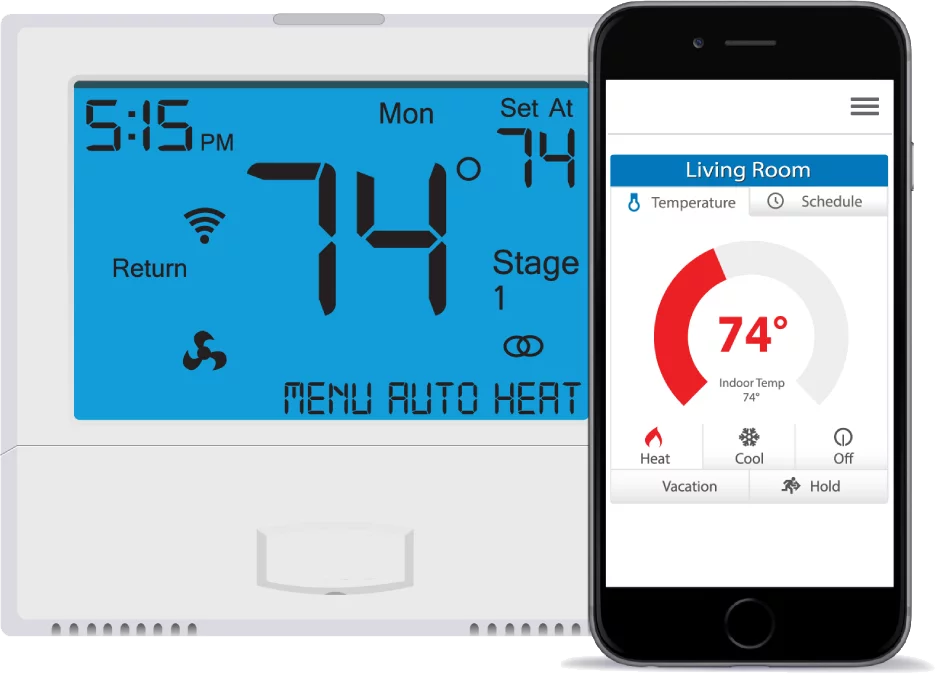
Cardinal Peak has been developing connected products for decades. Our engineer shares specific Wi-Fi smart home design challenges—including managing interference and power consumption—to help you chart your product’s development.

High-bandwidth medical data usually drains batteries fast. Discover how we engineered a wearable monitoring system that balances continuous Wi-Fi data transmission with extended battery life for remote kidney care.
Locked into an inflexible IoT platform? See how we architected a custom ESP32 RainMaker solution that optimized Wi-Fi provisioning and cloud connectivity, giving the client full control over their data and device power management.
Cardinal Peak has been developing connected products for decades. Our engineer shares specific Wi-Fi smart home design challenges—including managing interference and power consumption—to help you chart your product’s development.
High-bandwidth medical data usually drains batteries fast. Discover how we engineered a wearable monitoring system that balances continuous Wi-Fi data transmission with extended battery life for remote kidney care.

Voice control usually drains batteries fast. Learn how edge-based neural networks enable always-listening voice features in battery-operated Wi-Fi devices without destroying your power budget.

Stable frequency control is critical for Wi-Fi 6 IoT performance. This technical deep dive explains how Phase-Locked Loops (PLLs) ensure reliable data transmission in noisy RF environments, maintaining connection stability without wasting retries.

Amazon Sidewalk extends connectivity beyond the home’s Wi-Fi router. Discover how this shared network complements low-power Wi-Fi designs to eliminate dead zones for outdoor smart home devices.
Voice control usually drains batteries fast. Learn how edge-based neural networks enable always-listening voice features in battery-operated Wi-Fi devices without destroying your power budget.
Stable frequency control is critical for Wi-Fi 6 IoT performance. This technical deep dive explains how Phase-Locked Loops (PLLs) ensure reliable data transmission in noisy RF environments, maintaining connection stability without wasting retries.
Amazon Sidewalk extends connectivity beyond the home’s Wi-Fi router. Discover how this shared network complements low-power Wi-Fi designs to eliminate dead zones for outdoor smart home devices.
To achieve multi-year battery life, low-power Wi-Fi product design services must focus on three areas: efficient sleep-state management, optimizing the DTIM (Delivery Traffic Indication Message) interval, and minimizing cloud data payloads. By customizing the embedded software to keep the radio off for 99% of the time and utilizing features like Target Wake Time (TWT) in Wi-Fi 6, we can enable battery-operated devices to run for years on standard cells.
Wi-Fi 6 product design services offer significant advantages for IoT beyond just speed. The key benefit is Target Wake Time (TWT), which allows devices to “negotiate” wake-up schedules with the router rather than waking up randomly to check for data. This drastically reduces power consumption and network congestion, making Wi-Fi 6 ideal for high-density smart home and industrial sensor deployments.
Yes. As part of our battery-operated Wi-Fi product design services, we analyze your volume, size, and cost constraints to recommend the right path. A Wi-Fi module is best for lower volumes (<50k/year) to speed up certification and lower engineering costs. A chip-down design (placing the SoC directly on your PCB) is ideal for high-volume products where minimizing unit cost and form factor is critical.
Yes, we provide end-to-end low-power Wi-Fi cloud integration services. A low-power device can fail if the cloud protocol keeps it awake too long. We optimize the data path using lightweight protocols like MQTT or CoAP and configure cloud-side “shadows” (such as in AWS IoT Core) to handle device state while the physical hardware is sleeping, ensuring seamless connectivity without draining the battery.
Working with a Silicon Labs Design Partner gives you access to specialized “factory-level” support and pre-certified low-power stacks, such as the SiWx917. Our dedicated SiLabs ODC team has deep expertise in optimizing these specific chipsets for ultra-low power consumption and Secure Vault implementation, ensuring your product performs reliably in the field.