Medical Device BSP Upgrade Consolidating Embedded Linux Infrastructure
Blog Post
Connected Devices and IoT

Medical Device BSP Upgrade: Consolidating Embedded Linux Infrastructure

The reliability of user-facing medical software is entirely dependent on its underlying operating system. Explore how upgrading an end-of-support Board Support Package (BSP) to an LTS Embedded Linux kernel consolidates fragmented repositories, optimizes hardware communication via Netlink, and ensures strict regulatory compliance without disrupting clinical workflows.
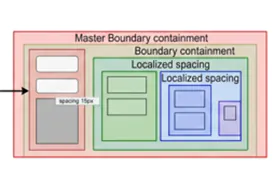
Architectural block diagram demonstrating modern Qt QML layout nesting. A master ColumnLayout contains a nested RowLayout, which houses a nested ColumnLayout sub-branch.
Blog Post
Healthcare

Medical Device UI Modernization Without Impacting Clinical User Experience

Running a commercialized medical device on an End-of-Support (EoS) UI framework introduces severe regulatory risks. This technical breakdown explores how to execute medical device UI modernization—migrating legacy Qt/QML codebases to a modernized Qt LTS standard to ensure IEC 62304 compliance and layout predictability without impacting the clinical user experience.
Physical hardware setup featuring the Raspberry Pi 4 running the DEP loopback test.
Blog Post
Audio

Validating Audio Networks via Dante Embedded Platform (DEP) Loopback Testing

Losing a significant number of audio packets is a critical issue for audio network reliability. Read how our engineering team leveraged the Dante Embedded Platform (DEP) and a Raspberry Pi to build a custom loopback test that accurately checks for missing or corrupted audio packets and evaluates hardware capacity.
The reliability of user-facing medical software is entirely dependent on its underlying operating system. Explore how upgrading an end-of-support Board Support Package (BSP) to an LTS Embedded Linux kernel consolidates fragmented repositories, optimizes hardware communication via Netlink, and ensures strict regulatory compliance without disrupting clinical workflows.
Running a commercialized medical device on an End-of-Support (EoS) UI framework introduces severe regulatory risks. This technical breakdown explores how to execute medical device UI modernization—migrating legacy Qt/QML codebases to a modernized Qt LTS standard to ensure IEC 62304 compliance and layout predictability without impacting the clinical user experience.
Losing a significant number of audio packets is a critical issue for audio network reliability. Read how our engineering team leveraged the Dante Embedded Platform (DEP) and a Raspberry Pi to build a custom loopback test that accurately checks for missing or corrupted audio packets and evaluates hardware capacity.
aliro connectivity standards logo
Blog Post
Connected Devices and IoT

Implementing the Aliro Access Control Standard: An Engineering Guide

Discover how the Aliro access control standard is unifying digital key ecosystems. This engineering guide explores the protocol's architecture, transaction lifecycle, and key implementation challenges—including secure element integration and UWB antenna tuning—to help you prepare your product roadmap.
Two product design engineers analyzing mobile user interface wireframes and application layouts at a desk during a functional software UX audit process.
Blog Post
UX Design

Software Product Optimization: A Functional UX Audit Framework

Design debt shows up in your sprint retrospectives long before it impacts your balance sheet. This post outlines an objective UX audit framework designed to decouple interface friction from technical debt without disrupting production cycles.
Jonathan Deragon discussing human-AI interaction design on the CX Passport podcast.
Blog Post
Artificial Intelligence

Designing for AI: Why Human Interaction Matters More Than the Technology

AI is disrupting established digital patterns. Discover how to navigate multimodal complexity and build intuitive, meaningful products through specialized design expertise.
Discover how the Aliro access control standard is unifying digital key ecosystems. This engineering guide explores the protocol's architecture, transaction lifecycle, and key implementation challenges—including secure element integration and UWB antenna tuning—to help you prepare your product roadmap.
Design debt shows up in your sprint retrospectives long before it impacts your balance sheet. This post outlines an objective UX audit framework designed to decouple interface friction from technical debt without disrupting production cycles.
AI is disrupting established digital patterns. Discover how to navigate multimodal complexity and build intuitive, meaningful products through specialized design expertise.
Navigating the Unseen Preparing for a Non Linear Future
Blog Post
Artificial Intelligence

Navigating the Unseen: Preparing for a Non-Linear Future

In a business world facing an unprecedented level of uncertainty, traditional strategic planning is no thing of the past. To stay ahead, leaders need to broaden their focus and proactively engage with a new class of disruptors, from AI's insatiable power demands to the rise of a new global innovation. Read the full blog post to explore the key takeaways from the IBCircle CEO & CFO Global Roundup and discover how to design for disruption.

The Top 5 Usability Issues We Find in Most UX Audits
Blog Post
UX Design

The Top 5 Usability Issues We Find in Most UX Audits (And How to Fix Them)

While every product is unique, our UX audits reveal that most suffer from a handful of common usability issues. This post uncovers the top 5 problems we consistently find, from confusing navigation to inconsistent design, and provides the first steps toward a more user-friendly experience.
Inside Our Toolkit The Power of a Heuristic Evaluation
Blog Post
UX Design

Inside Our Toolkit: The Power of a Heuristic Evaluation

How does an expert UX audit uncover so many critical issues? It's not guesswork; it's a methodical process. This post pulls back the curtain on a core component of our toolkit: the heuristic evaluation. Learn what usability heuristics are and how we use this powerful framework to diagnose your product’s health.
In a business world facing an unprecedented level of uncertainty, traditional strategic planning is no thing of the past. To stay ahead, leaders need to broaden their focus and proactively engage with a new class of disruptors, from AI's insatiable power demands to the rise of a new global innovation. Read the full blog post to explore the key takeaways from the IBCircle CEO & CFO Global Roundup and discover how to design for disruption.
While every product is unique, our UX audits reveal that most suffer from a handful of common usability issues. This post uncovers the top 5 problems we consistently find, from confusing navigation to inconsistent design, and provides the first steps toward a more user-friendly experience.
How does an expert UX audit uncover so many critical issues? It's not guesswork; it's a methodical process. This post pulls back the curtain on a core component of our toolkit: the heuristic evaluation. Learn what usability heuristics are and how we use this powerful framework to diagnose your product’s health.
From Insight to Impact How to Turn User Research into a Prioritized Product Roadmap
Blog Post
UX Design

From Insight to Impact: How to Turn User Research into a Prioritized Product Roadmap

User research can produce a mountain of data, but how do you turn those findings into real product improvements? This post provides a four-step framework for translating raw user insights into a strategic, prioritized product roadmap. Learn how to ensure your research investment leads to tangible business impact.
The What vs the Why Blending Quantitative and Qualitative User Research
Blog Post
UX Design

The ‘What’ vs. the ‘Why’: Blending Quantitative and Qualitative User Research

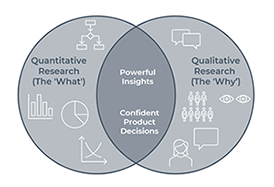
To build a great product, you need to know what users are doing and why. This post breaks down the two types of user research that provide these answers: quantitative (the 'what') and qualitative (the 'why'). Learn the key differences and how blending them provides a complete picture.
Moderated vs Unmoderated Choosing the Right Usability Test for Your Product blog
Blog Post
UX Design

Moderated vs. Unmoderated: Choosing the Right Usability Test for Your Product

Not all usability testing is the same. The method you choose dramatically impacts the insights you receive. This post breaks down the two primary approaches: moderated and unmoderated. Learn the key differences, the pros and cons of each, and how to decide which method is the right fit.
User research can produce a mountain of data, but how do you turn those findings into real product improvements? This post provides a four-step framework for translating raw user insights into a strategic, prioritized product roadmap. Learn how to ensure your research investment leads to tangible business impact.
To build a great product, you need to know what users are doing and why. This post breaks down the two types of user research that provide these answers: quantitative (the 'what') and qualitative (the 'why'). Learn the key differences and how blending them provides a complete picture.
Not all usability testing is the same. The method you choose dramatically impacts the insights you receive. This post breaks down the two primary approaches: moderated and unmoderated. Learn the key differences, the pros and cons of each, and how to decide which method is the right fit.